1. Scene survey
Before anything is touched, the crew looks over the room for sharp objects, hidden pooling and fragile belongings.
Gosnell, AR · Mississippi County
One call to (877) 812-4220 starts bodily fluid cleanup in Gosnell. The work includes isolating the room, removing contaminated materials, disinfecting surfaces and taking the waste out.
If anyone is in danger, call 911 first. For a suicide crisis, call or text 988.
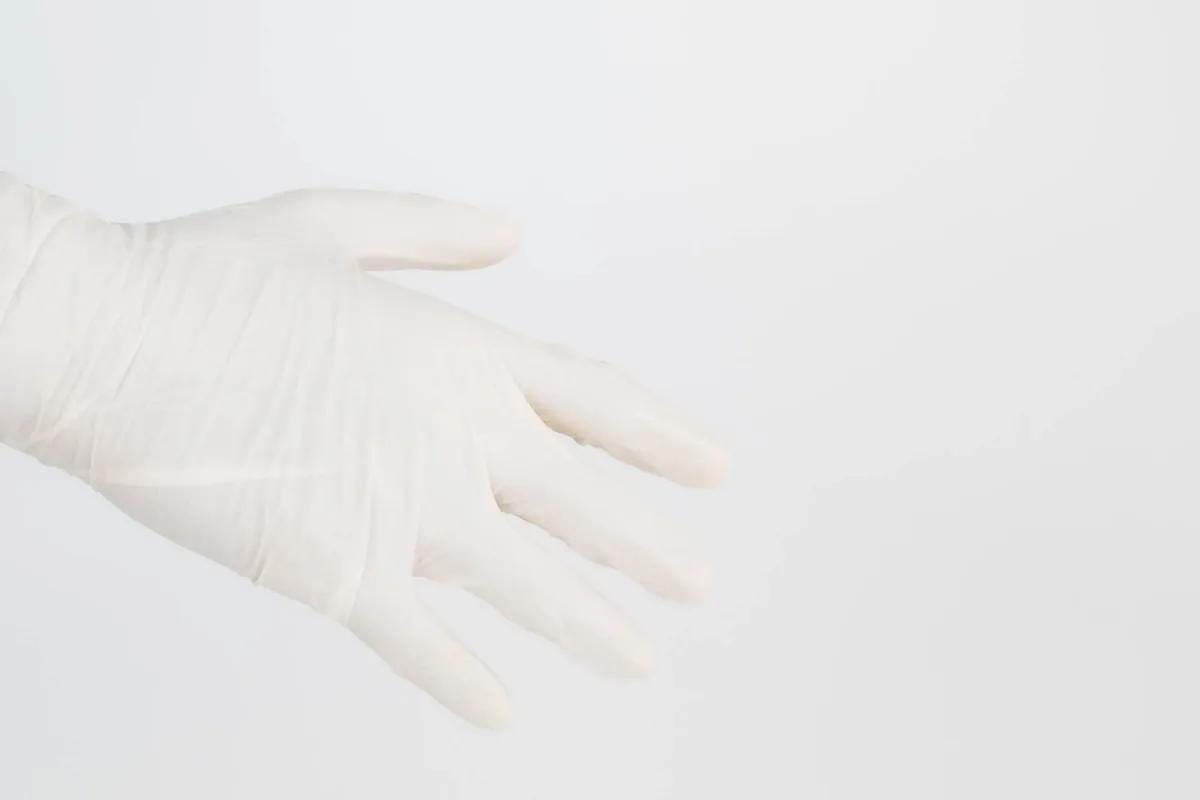
Cleaners of fecal matter work with gloves, eye and face protection, disposable coveralls and EPA-registered disinfectants. They treat the waste as a health hazard, not a household mess.
Need bodily fluid cleanup around the clock in Gosnell, Blytheville or nearby towns in Mississippi County? Call Gosnell Biohazard Cleanup Help. You get crews in protective equipment who follow safety rules from the first step to the last.
Around 40% of households in Mississippi County rent, so landlords and property managers often need fluid cleanup between tenants. The nearest emergency room, Great River Medical Center in Blytheville, is about 6 miles away. Call 911 for injuries first; cleanup comes after.
The work often covers:
Before anything is touched, the crew looks over the room for sharp objects, hidden pooling and fragile belongings.
Technicians wear full protective equipment and close off the area to stop cross-contamination.
Fluids, stained porous materials and contaminated debris are removed. Surfaces that can stay are cleaned and disinfected.
Bagged waste leaves with the crew. The room is checked and returned for normal use.
Most bodily fluid cleanup jobs in Gosnell, AR cost between $300 and $4,000, based on published cost guides.
Odor treatment is added when the smell has settled into fabric or building materials, because it takes extra products and time.
| Type of job | Typical range |
|---|---|
| Blood cleanup, published span | $300 - $4,000 |
| Small blood or fluid cleanup | $500 - $2,500 |
Estimates only, not a quote. Sources: BioCleaners Directory, Biohazard cleanup company pricing guide. Price drivers include type and amount of fluid, porous or hard surfaces, waste disposal, whether odor treatment is needed. Call (877) 812-4220 to talk through the job.
Blood and other body fluids that may carry germs are treated as biohazards. Some, such as blood, can carry bloodborne pathogens like hepatitis B and HIV. Cleanup crews handle all of them with the same protection, because the source of a fluid is not always known.
Dried waste can still carry germs, and sweeping or scrubbing it can send particles into the air. That is why it is cleaned carefully with protection and a disinfectant instead of dry sweeping or vacuuming.
Yes. Touching feces or contaminated surfaces and then your mouth, nose or eyes can spread germs. Wear gloves and eye protection, wash your hands well afterward and keep children and pets away. A cleanup team has the right gear for larger jobs.
Workers who may touch blood or other body fluids are covered by the OSHA Bloodborne Pathogens Standard, 29 CFR 1910.1030. Crews wear PPE, use EPA-registered disinfectants and handle waste under medical waste rules.
Wash the skin with soap and water right away, and rinse the eyes or mouth with clean water if fluid splashed there. Then talk with a doctor or the local health department about next steps. This is general information, not medical advice.
Yes. Odor usually fades once all of the source material is gone. When fluids soaked into porous materials, those materials are removed and the area is treated. A strong smell can mean contamination remains below the surface.
One call starts the cleanup, disinfection and disposal.
Call (877) 812-4220